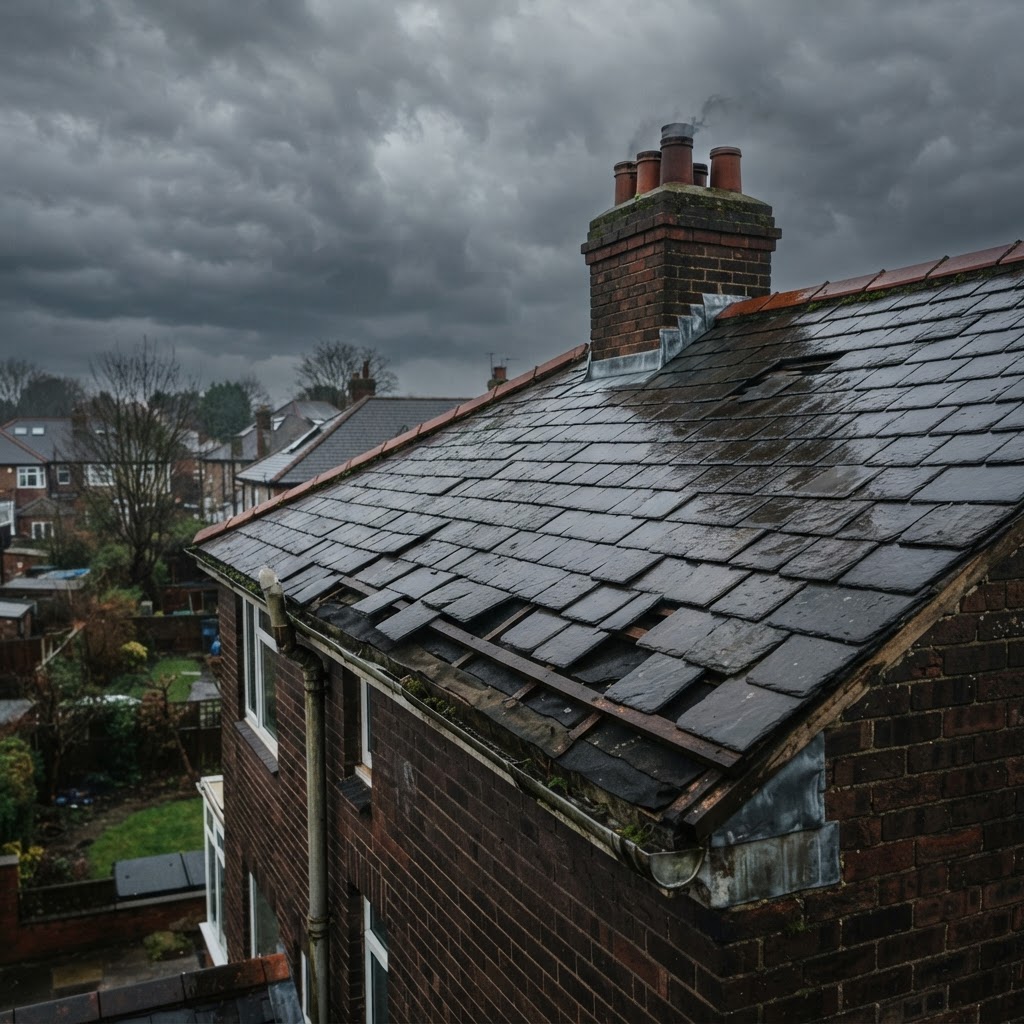
As the UK winter settles in, bringing with it shorter days and the inevitable cycle of frost, driving rain, and high-velocity winds, your roof is your home’s primary line of defence. Neglecting small issues during the autumn can turn a minor repair into a major headache once the weather truly turns. This checklist is designed to help you spot potential problems before they become emergency situations, ensuring your property remains weather-tight throughout the colder months.## External Roof Inspection: From the Ground Up Before you consider getting a ladder out, perform a visual assessment from the safety of the ground, ideally using binoculars. Walking on a roof in wet or icy conditions is extremely dangerous and is best left to professional tradespeople. Look for the following warning signs: * Slipped or missing tiles: Even one or two missing tiles can allow water penetration that leads to internal rot. * Visible sagging: This could indicate structural movement or failure of the roof timbers. * Loose ridge tiles: If your ridge tiles look misaligned or the mortar underneath is crumbling, they are at risk of blowing off during the next storm. * Debris accumulation: Look for patches of moss or accumulated leaves, which can trap moisture against your roof surface and cause tiles to lift or crack.## Chimney and Flashing Checks Your chimney stack is often the most exposed part of your roof. Because it sits high and bears the brunt of the wind, it requires specific attention: * Lead flashing: Check where the chimney meets the roof tiles. If the lead is lifting or if the sealant has cracked, this is a common entry point for rainwater. * Mortar joints: Use binoculars to check if the mortar between the bricks is crumbling. If you see significant gaps, wind and rain will cause further erosion, potentially destabilising the stack. * Chimney pots: Ensure these are secure. A loose chimney pot is a serious hazard, especially during high winds. Note: If you spot any damage here, do not attempt a DIY fix. High-level chimney repairs require specialist equipment and safety training.## Guttering and Drainage Systems In the UK, our heavy rainfall puts enormous pressure on guttering. A blocked or broken system leads to water spilling down your external walls, causing damp issues inside the house. * Clear the gutters: Remove leaves, moss, and silt. If gutters are left clogged, the weight of freezing water can cause them to sag or crack. * Check downpipes: Pour a bucket of water into the top of the guttering to ensure it flows freely down to the drain. If the water backs up, there is a blockage in the pipe. * Inspect brackets: Ensure the brackets securing the gutter to the fascia boards are tight and not rusting. Replace any that show signs of fatigue to prevent the gutter from collapsing under the weight of snow or ice.## Attic and Loft Checks Sometimes, the most important roof inspection happens inside the house. Spend some time in your loft to see if your roof is 'breathing' correctly. * Check for damp patches: Look for dark stains or water marks on the roof timbers or insulation. These often indicate a slow leak that isn't visible from the outside. * Check for daylight: If you can see daylight through the roof tiles from inside your attic, you have a gap. Even a small hole can allow wind-driven rain to enter during a storm. * Insulation condition: Ensure your insulation is dry. If it feels damp or soggy, it is not only losing heat-trapping efficiency but also indicates a persistent roof or ventilation issue.## When to Call in a Professional While checking for these issues is something every homeowner can do, fixing them is a different matter. If you spot cracked tiles, damaged flashing, or structural concerns, you should contact a verified tradesperson immediately. Some repairs, such as addressing a leak or securing loose chimney flashings, are urgent; delaying them allows water to cause significant damage to your internal plaster, carpets, and potentially your roof timbers. Furthermore, if you are unsure about what you are seeing, don't risk your safety climbing onto a roof in poor weather. A professional roofer can provide a comprehensive inspection, identify underlying issues you might miss, and ensure the work is completed safely and to current building standards. ## Take Action Before the Next Storm Strikes Regular maintenance is the best way to avoid emergency repair bills. If you've identified any of the issues above, or if you simply want peace of mind before the next bout of bad weather arrives, it is time to get a professional assessment. Don't wait for a leak to appear on your ceiling to start looking for help. Post Your Roofing Job Free & Get Quotes →
Back to BlogRoofer
Winter Roof Care: A Practical Maintenance Checklist for Homeowners
10 October 2026· By Compare My Builder